

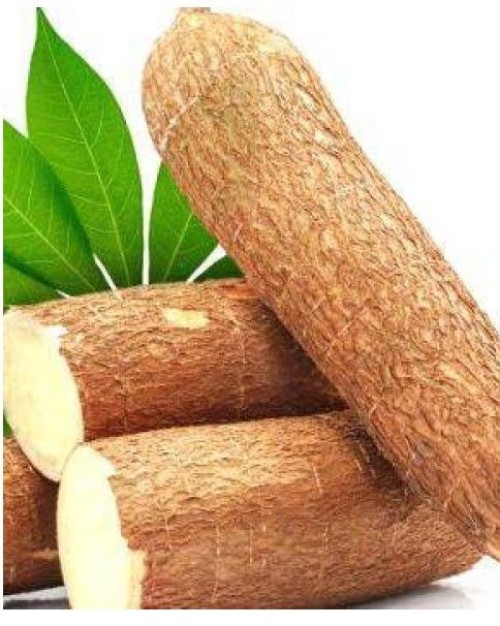


Cameroon tapioca starch, derived from locally grown cassava (Manihot esculenta), is a versatile and export-ready product valued for its purity, texture, and wide range of applications. Processing : Cassava is peeled, washed, grated,


 Categories
 Popular Product More Product
Birmon Trading is an agricultural commodities exporter supplying starch and flour to food manufacturers, paper and textile mills, and industrial buyers who purchase by the ton. Unlike fresh crops, these are processed ingredients, so buyers judge them on purity, moisture, whiteness, and how they behave on a production line.
That makes consistency the main selling point. A starch that thickens one way in the first delivery and another way in the second causes more trouble on a line than a slightly higher price ever would, so we focus on holding specifications steady from lot to lot.
The wider trade covers native starches from cassava, maize, and potato, modified starches built for heat, acid, or shear stability, and flours such as wheat, rice, and cassava flour. Many buyers source across these lines because one product often replaces another depending on cost, texture, or gluten-free requirements. Tapioca starch is what we supply today, with other lines to follow as our sourcing grows.
Native starch is used as extracted, with no chemical or physical change, which suits buyers who want a short ingredient list. Modified starch is treated to resist heat, acid, freezing, or mechanical stress, which matters in canned sauces, frozen meals, and instant mixes. Knowing which one you need starts with what your process does to the starch.
Buyers specify these products by a short list of measurable properties: moisture content, whiteness, viscosity, particle fineness, and the level of ash or other impurities. Moisture matters most in transit, since starch absorbs humidity and clumps, and flour attracts pests when stored damp. Specifications and trial lots let your lab test a product against your own limits before you commit to tonnage.
Food manufacturers use starch and flour as thickeners, binders, and texture agents in noodles, soups, sauces, bakery goods, and gluten-free products. Paper and packaging mills rely on starch to strengthen coated surfaces, while textile plants use it to size and finish yarn and fabric. Adhesive producers use it as a renewable base for glues and pastes.
These are the lines we currently supply by the ton. Specifications sit on each product page, so you can check a line against your own requirements before reaching out.
If your plant uses starch or flour by the ton, the first step is a spec match. Name the grade, moisture limit, and monthly tonnage you need, and we will check it against what we can supply and quote accordingly. Share your requirements and our team will respond with pricing and lead time for your volume.