
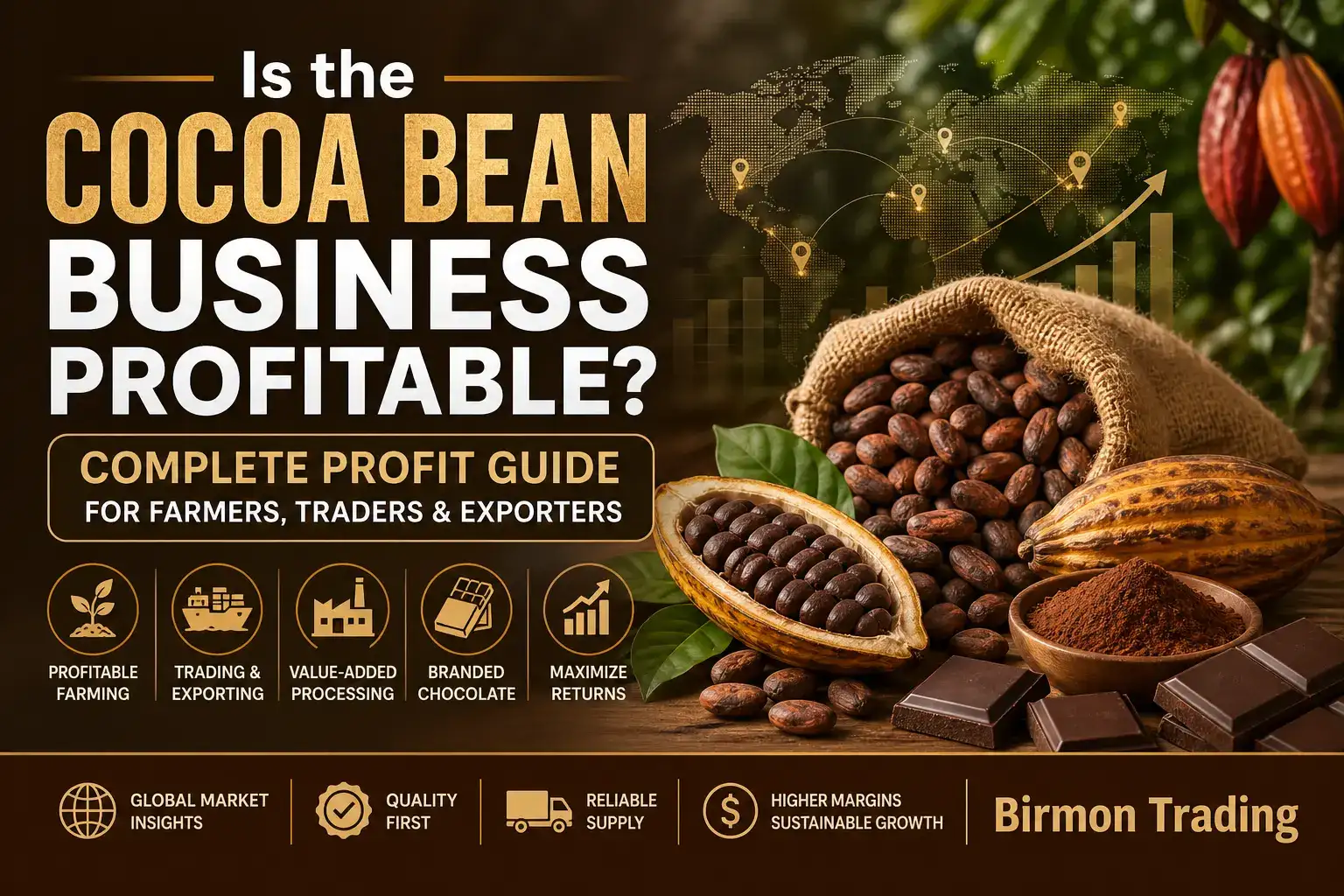
The cocoa bean business is a large global industry that offers many ways to earn money. Many people want to know if growing or selling cocoa is still a good way to make a profit today. The simple answer is yes, but the amount of money you make depends on your role in the supply chain. A farmer who grows the pods has a different profit margin than a trader who moves the beans or a company that makes chocolate bars. Understanding how the market works is the first step toward building a successful cocoa enterprise.
To see real success, you must look at facts like crop yield, bean quality, and global price shifts. In recent years, the demand for chocolate has stayed very high, which helps keep the cocoa bean market active. However, costs for labor, transport, and farm tools also play a big part in your final earnings. If you manage your resources well and focus on high-quality beans, you can find great financial rewards. This guide will explain exactly where the money is and how you can increase your returns in the cocoa industry.
Profitability in this sector is not the same for everyone. It depends heavily on where you stand between the farm and the final chocolate shop. Each step adds more value to the raw bean, and that value usually turns into higher margins.
A cocoa farm is a long-term investment. The trees take a few years to grow before they produce the cocoa pods that hold the seeds. Once the farm is mature, the profit usually stabilizes.
The main factor for a farmer is the yield per hectare. Healthy trees produce more pods, and more pods mean more beans to sell. If a farmer uses good seeds and keeps the soil rich, the harvest will be better. Farmers also get more money if they ferment and dry the beans correctly. High-quality beans that are clean and dry fetch a premium price in the market.
However, risks like bad weather or tree diseases can hurt margins. If a farm loses its crop to pests, the profit for that year can drop quickly. Successful farmers often join groups or cooperatives to get better prices and share the costs of tools and fertilizer.
Traders act as the bridge between the farm and the factory. They buy small amounts of beans from many different farmers, collect them in a warehouse, and sell cocoa beans in bulk. The profit in trading comes from being efficient with logistics.
To make money as a trader, you need to have a good system for transport and storage. If you can move the beans quickly and keep them dry, you avoid losing money on spoiled goods. Trading is a volume business. While the profit on one bag of cocoa might be small, the total profit from thousands of bags is very large. It requires having cash ready to pay farmers immediately during the harvest season.
Exporters take the beans across borders to international buyers. This part of the business often has better margins than local trading because global buyers pay in stronger currencies.
Exporters must watch the global cocoa price cycles closely. If they buy when prices are low and sell when the global demand goes up, their profits grow. They also have to manage costs like port fees, shipping freight, and government taxes. An exporter who understands international trade rules and has reliable shipping partners can build a very profitable company.
Processing is where you change the form of the cocoa bean. You take the raw beans and turn them into liquor, butter, or powder. These products are the main ingredients for making chocolate, ice cream, and cosmetics.
This business model requires machinery and a factory, so it needs more money to start. But the rewards are higher because you are selling a "value-added" product. Factories prefer to buy cocoa butter or powder that is ready to use. This saves them time and makes your processed cocoa more valuable than raw beans. It is a stable way to earn a high income in the cocoa industry.
Starting a chocolate brand is the most profitable path if you can market your product well. Instead of selling a commodity like beans, you are selling a treat that people love.
Branded products give you pricing power. This means you can set your own price based on the quality and the story of your brand. While you have to spend money on packaging and advertising, the gap between your costs and your sale price is usually very wide. Repeat customers who love your chocolate provide a steady flow of income that other parts of the supply chain might not have.
Many things can change how much money you take home at the end of the month. You must watch these factors to keep your business healthy.
|
Factor |
Impact on Profit |
|
Global Market Price |
High prices mean better revenue for everyone in the chain. |
|
Yield Per Acre |
More beans from the same land lowers the cost per bag. |
|
Bean Quality |
Well-dried beans avoid price cuts or rejection by buyers. |
|
Labor Costs |
Higher wages for harvesters can eat into farm margins. |
|
Logistics |
Cheap and fast transport keeps more money in your pocket. |
The world price of cocoa changes every day. If there is a shortage of beans in major growing areas, the price goes up. This helps anyone who has beans ready to sell. If there is too much cocoa in the market, the price might fall. Traders and exporters often use contracts to lock in prices so they do not lose money if the market drops suddenly.
Quality is a huge part of the profit equation. If your beans have mold or were not dried long enough, buyers will pay much less. Sometimes, a buyer might even reject the whole shipment. Proper fermentation is the secret to good flavor. When you produce beans with a great aroma and the right moisture level, you can ask for a premium price.
If you are already in the cocoa business and want to make more money, there are several steps you can take. You do not always need more land to make more profit.
Every business has risks, and cocoa is no different. You should have a plan for these common problems.
Small farmers can be very profitable if they focus on high quality and join a cooperative. This allows them to get better prices for their small harvests. Medium-sized traders can do well if they have a very strong network of farms and good trucks for transport.
Large processors and big chocolate brands have the best chance to grow their margins. They have the money to buy modern machines and build big warehouses. Because they work at such a large scale, their cost per unit is much lower. This allows them to compete effectively in the global market.
In a low-profit scenario, a business might have poor yields and high transport costs. This often happens when the beans are low quality and sold into the basic commodity market.
In a high-profit scenario, the business focuses on efficiency. They produce high-quality beans, process them into value-added products, and have direct contracts with buyers. This model protects the business from market swings and ensures a steady return on investment.
Before you put your money into the cocoa bean business, check these points:
The cocoa bean business offers a solid path to profit if you understand the supply chain. While farming requires patience and good land management, trading and exporting offer ways to scale your income through volume. Processing and branding are the most lucrative paths because they turn a simple bean into a specialized product. Success comes from focusing on quality, reducing waste during transport, and staying informed about global price trends. If you manage these details well, the cocoa industry can be a very rewarding venture for the long term.
As you look for the best ways to enter this market, having a reliable partner for your supply needs is vital. Finding a professional wholesale cocoa beans supplier can make a big difference in the quality of your stock. This allows you to focus on growing your sales and managing your operations without worrying about the consistency of your raw materials.
When you are ready to take the next step in your business journey, consider working with a partner that understands the global market. Birmon Trading provides high-quality solutions for those looking to excel in the cocoa trade. By choosing the right source for your beans, you can ensure that your business remains competitive and profitable for many years to come.
Getting a raw farm product from a small growing region to a factory on the other side of the worl
READ FULLGlobal trade runs on a small group of raw farm products that show up in almost every industry. Th
READ FULLEvery day, farms around the world grow raw goods that feed major industries. These raw goods are
READ FULL